Fence Post Spacing and Concrete: How to Get It Right
On-center by fence type, height, and wind; hole diameter at 3× the post; depth from frost vs one-third height; bags from a cylinder minus the post
Run the numbers in the fence post spacing calculator. This page is the method. Field failures: troubleshooting. Whether to pour at all: concrete vs gravel vs packed dirt. This is not deck beam post spacing — that lookup is the deck post spacing calculator. Other pours: concrete volume and the volume guide. Carpentry index: hub.
Get a post count and a bag count. Type, height, run, wind, frost, and a hole size. Starting point — verify local frost line.
Open Fence Post Calculator →Jump to what you need
Recommended Maximum On-Center by Fence Type and Height
A fence post is a cantilever in dirt. The infill is the sail. Tighter on-center is how you share wind and keep panels from sagging. These are the maximums this site uses as a starting point — not an engineered wind spec, and not IRC deck-beam spacing.
| Fence type | At or under this height | Max OC (sheltered) | Taller than that |
|---|---|---|---|
| Privacy (solid) | 6 ft | 8 ft | 6 ft OC |
| Picket | 4 ft | 8 ft | 6 ft OC |
| Chain-link | 6 ft | 10 ft | 8 ft OC |
| Field / farm / wire | 4 ft | 12 ft | 10 ft OC |
Privacy is the heaviest sail. Field fence is mostly air. If your panel module is wider than the recommended max, cut the module or add a post — do not stretch the last bay and hope. The calculator caps a too-wide preference and warns.
Wind Exposure Drops the Maximum
Sheltered means buildings or a tree line on the windward side. Open is a typical yard with a fetch. High is a ridge, coast, or open field. The rule this calculator uses:
high wind: max(4 ft, recommended max − 2 ft)
A 6 ft privacy fence that is 8 ft OC in a sheltered side yard becomes 7 ft OC in the open and 6 ft OC on a windy lot. It never goes below 4 ft on this sheet. If the inspector or the fence maker publishes a tighter number, use theirs.
Working spacing is the preferred module if you entered one and it is at or under the recommended max. If the field is blank (or not a positive number), working spacing is the recommended max. Then:
actual on-center = run ÷ (posts − 1)
Actual OC is usually a little tighter than the working number because ceil adds the extra post that closes the last bay. That is what you snap on the string.
Hole Diameter: Three Times the Post, Even Inches, Minimum 10"
A hole that is barely bigger than the post does not give the backfill a collar. The field rule is about three times the post width, then rounded up to the next even inch, never under 10".
| Post | Width used | 3× | Suggested diameter |
|---|---|---|---|
| 4×4 | 3.5" square (actual) | 10.5" | 12" |
| 6×6 | 5.5" square (actual) | 16.5" | 18" |
| 4" round | 4" | 12" | 12" |
| 5" round | 5" | 15" | 16" |
Use actual size, not the nominal 4" on a 4×4 ticket. You can dig larger than the suggestion (rocky soil, a sloppy auger). Digging smaller than about 3× is how posts lean in the first season. See leaning posts.
Hole Depth: 24" Floor, Frost Line, or One-Third of Height
The old carpenter line is “bury one-third of the post.” That is a height rule, not a frost rule. Ice under a shallow hole lifts the post and the panel with it. This site takes the maximum of three numbers:
| Frost climate | Minimum depth used here |
|---|---|
| None / no frost | 18" (24" floor still wins unless height/3 is larger) |
| Mild | 24" |
| Moderate | 36" |
| Deep | 48" |
| Very deep | 60" |
A 6 ft fence in moderate frost: max(24, 36, 24) = 36". The same fence with no frost: max(24, 18, 24) = 24". An 8 ft privacy fence in mild frost: max(24, 24, 32) = 32". Your adopted frost map may be deeper than this climate picker. If the two disagree, dig to the map.
Concrete Volume: Cylinder Minus the Post, Then Divide by 1728
The hole is a cylinder. The post occupies some of that cylinder. You pay for the difference, and only for the depth that is actually concrete (hole depth minus gravel).
Apost = side² (square) or π × (diameter ÷ 2)² (round)
cu ft / hole = max(0, (Ahole − Apost) × concrete depth) ÷ 1728
total cu ft = per hole × posts
Areas are in square inches and depth is in inches, so the product is cubic inches. 1728 cu in = 1 cu ft. If someone types a hole smaller than the post, volume goes to zero instead of going negative. Gravel volume on this sheet is the full cylinder of gravel thickness — we do not subtract the post from the gravel bed, because that bed is placed before the post is fully in and the numbers stay conservative.
Ready-mix for a long run is often cheaper once you clear about a yard. Convert with total cu ft ÷ 27. For mixed shapes (a pad plus posts), use the concrete volume calculator and add this post takeoff. Waste and bag-vs-truck: concrete volume guide.
Bag Yields: 0.45 cu ft (60 lb) and 0.60 cu ft (80 lb)
Those are the yields this calculator uses. They match common bag labels for pre-mix, not a lab density. Always round up:
80 lb bags = ceil(total cu ft ÷ 0.60)
Buy a couple of extra 60s. An auger that walks, a hole that bells out, and a mix that takes more water than the bag wanted will eat the theoretical count. Do not water bags into soup to stretch volume — you lose strength at the grade line, which is exactly where posts rot and lean.
Concrete is not mandatory on every fence. In free-draining soil with no frost, packed gravel often holds a line post and lets water leave. In wet clay, a sealed concrete cup can hold water against the post. Walk that choice in concrete vs gravel vs packed dirt before you order 40 bags.
Ready to size the run? Default example is 100 ft of 6 ft privacy, 4×4, 12" × 36" hole, 4" gravel.
Fence Post Calculator →Fence Post Spacing FAQ
Can I use 8 ft OC on an 8 ft privacy fence?
Not on this sheet. Privacy over 6 ft drops to 6 ft OC before wind. Open or high wind drops it again. If a manufacturer’s panel system requires 8 ft, you need their post and footing spec — or more posts.
Why is a 4×4 treated as 3.5 inches?
That is the actual dressed size. Displacement and the 3× diameter suggestion both use actual width. A 6×6 is 5.5".
Does one-third of height beat frost depth?
No. Suggested depth is the max of 24", frost minimum, and height/3. In cold climates frost wins. Verify the adopted frost line; this climate picker is a starting band.
Is this the same math as the concrete volume calculator?
Same idea (volume from dimensions), different shape. This page is post holes: cylinder minus post, times hole count. Slabs and continuous footings: concrete volume calculator.
Where do I go if the posts are already in and failing?
Common fence post problems — lean, rot, heave, sag, and gate-post movement.
Layout Gear for a Straight Fence Line
Fence posts fail from layout as often as from a short hole. Level the first posts, square the corners, snap the line, then cut rails and panels to that line — not to a guess.
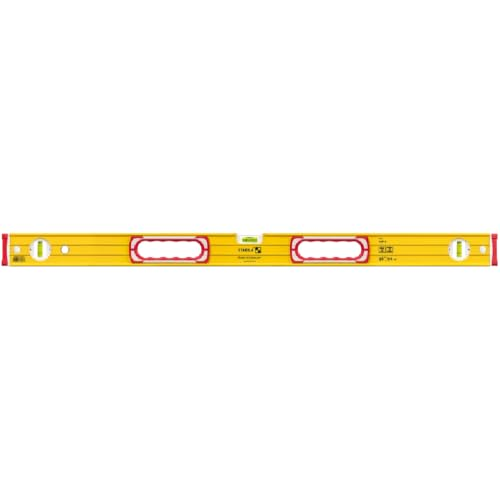
Stabila Type 196 48-Inch Box Beam Level
Plumb the first two posts and check the rail before you lock the rest of the run. A walking post is a concrete problem you cannot fix with a longer panel.
View on Amazon →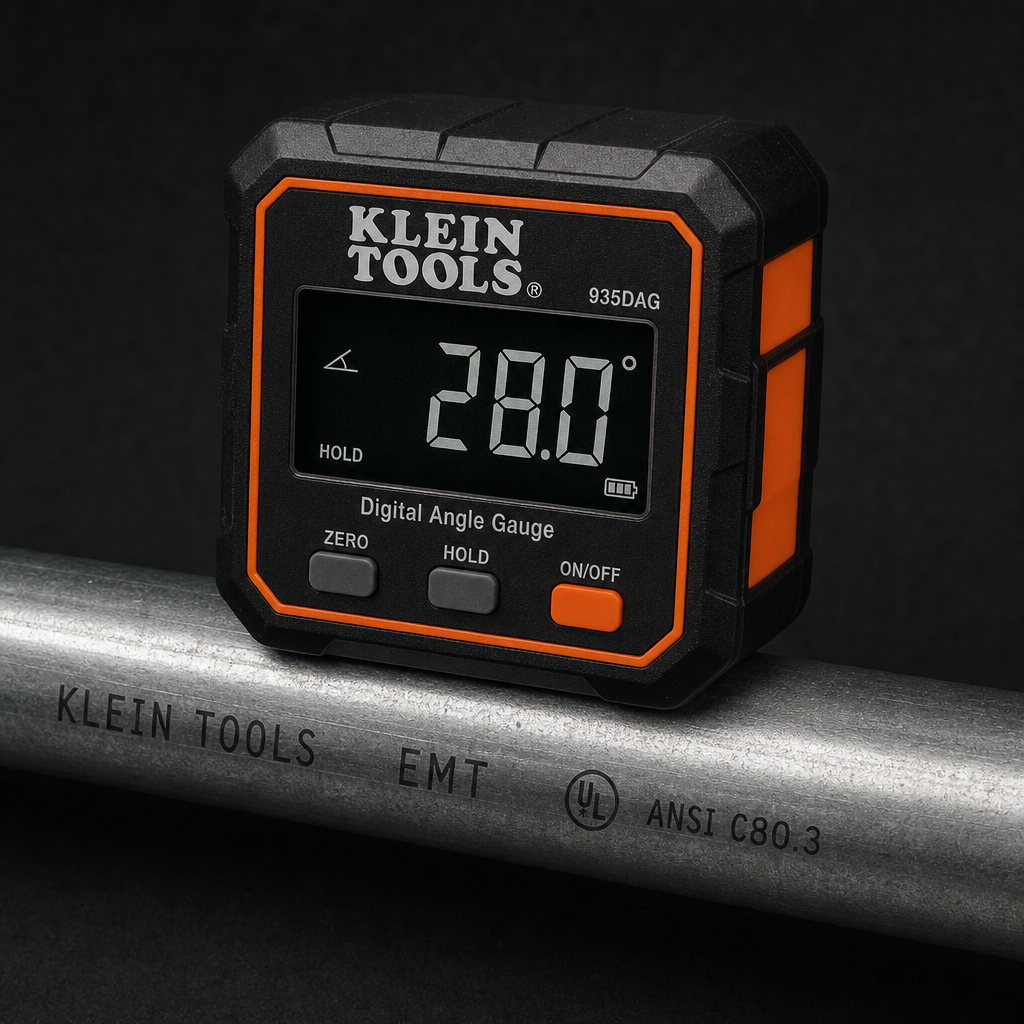
Klein Tools 935DGGP Digital Angle Gauge
Confirm plumb on a post you cannot sight from both sides, and check rail pitch on a slope. Magnetic base parks on a steel post or a square.
View on Amazon →
Swanson TA122 Aluminum Rafter Square 16×24
Square the corner posts, mark rail cuts, and keep the first bay from racking the whole line. Same square you will use on gates and braces.
View on Amazon →TAJIMA Chalk-Rite CR301JF
Snap the fence line after the end posts are set so every hole sits on the same string. Better than walking a tape from a crooked first bay.
View on Amazon →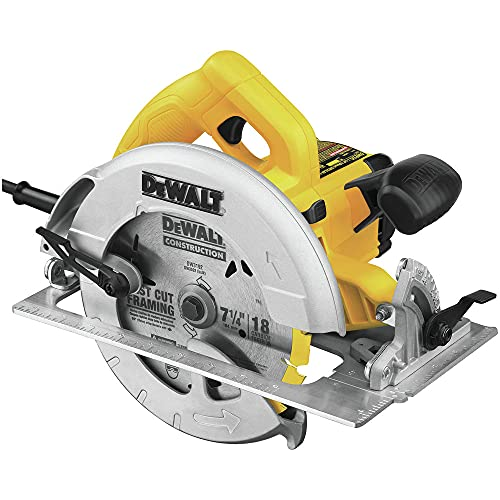
DEWALT DWE575 7-1/4-Inch Circular Saw
Cut rails and panels to the actual opening, not the plan spacing. Crowns, gates, and the last bay always need a real measurement.
View on Amazon →As an Amazon Associate, TestTalkHQ earns from qualifying purchases. Product links are from the live TestTalkHQ affiliate CSV only.