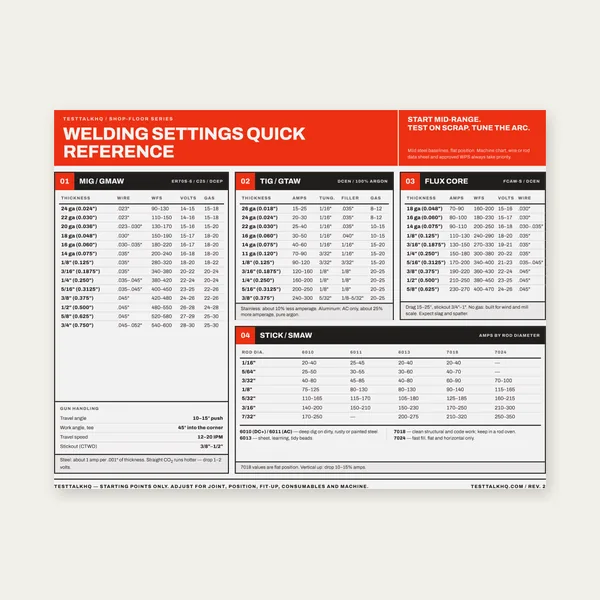
Welding Reference Card
One page. MIG, TIG, stick and flux core settings by thickness.
$3.99
BuyPrinted template, hole saw, dedicated notcher, or CNC laser — pick by volume, precision, and budget
A genuine comparison of printable coping templates versus hole-saw fixtures, dedicated tube notchers, and CNC tube lasers — when each method earns its keep.

Start with a printed actual-scale template — free, and good enough for most one-offs.
Open Template Generator →Best when: one-offs, prototypes, repair work, or occasional fab where you already own a grinder. Cost is essentially paper and time. Accuracy depends on OD measurement, 100% print scale, and careful tracing — the math can be exact while the bench still introduces error.
Limits: slow for dozens of identical joints; thick wall needs a bevel beyond the outer-surface cut line; equal-diameter fishmouth tips are delicate to grind by hand.
Best when: repeat work on common tube sizes, you want mechanical consistency, and you can justify tooling cost. Abrasive or hole-saw style notchers clamp the tube and cut a repeatable saddle once the stop and angle are set.
Limits: die/saw sizes, changeover time, and capital cost. Oddball diameters and one-off angles still often revert to a printed template or CNC.
Best when: you already own the right hole-saw diameter (matched to the run OD), volume is moderate, and joints are mostly 90°. A solid fixture that holds the branch on center makes hole-saw notching fast and repeatable.
Limits: angled joints need a tilting fixture; wrong saw size or off-center setup produces a gap that weld cannot honestly hide. Not a substitute for verifying the real run OD.
Best when: production volume, complex multi-joint parts, or documented precision requirements. The laser can cut the true 3D intersection (including wall effects with proper CAM) and mark bend/weld datums in the same program.
Limits: cost, lead time for programming, and overkill for a single handrail repair. Many shops mix: laser for production SKUs, printed templates for field repairs.
| Situation | Prefer |
|---|---|
| 1–5 joints, mixed sizes/angles | Printed template + grinder |
| Weekly same OD at 90° | Hole saw fixture or tube notcher |
| Production frames / cages | CNC tube laser (or notcher cell) |
| Budget under tooling cost | Template — verify scale every print |
| Critical root fit on thick wall | Template + bevel, or laser with wall-aware CAM |
Walk through print and wrap steps in the Tube Notch Guide. When a template still fails on the bench, use Tube Notch Troubleshooting. For bend layout on the same assemblies, see the Tube Bending Calculator and Tube Bending Guide.
One page. MIG, TIG, stick and flux core settings by thickness.
$3.99
Buy
19 pages. Four processes, stainless and aluminum, symbols and inspection.
$12.99
Buy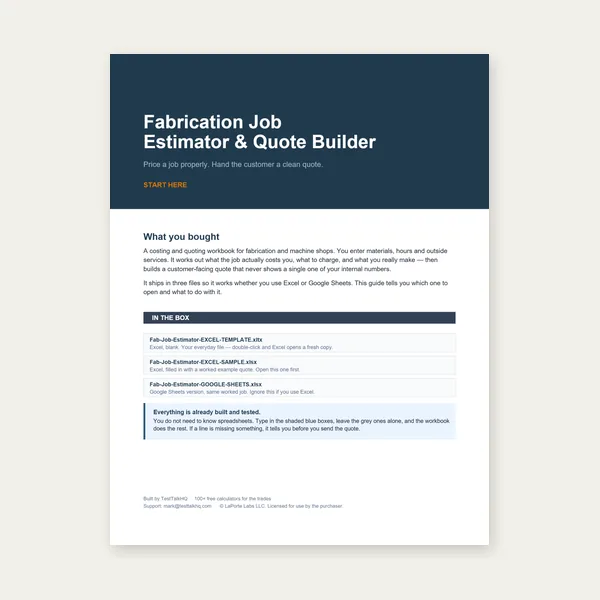
Price the job, then hand over a quote with no internal numbers.
Excel or Google Sheets. Best on a computer.
$29.00
Buy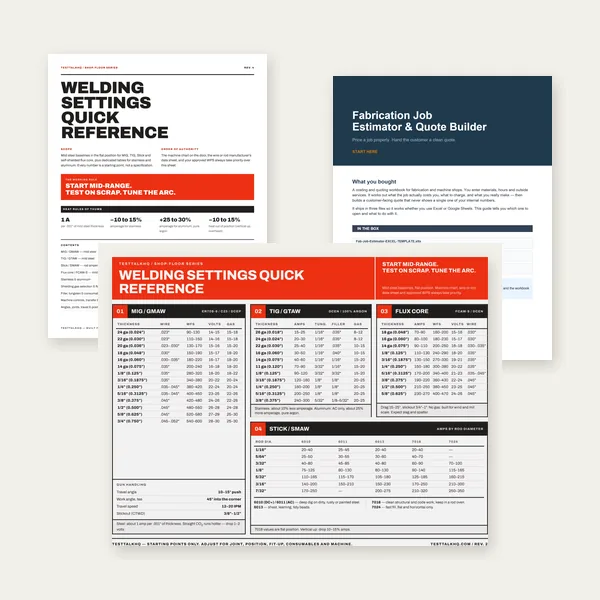
Card, 19-page guide and the estimator workbook. All six files.
Excel or Google Sheets. Best on a computer.
$34.99
$45.98 if bought separately — save $10.99
BuyCheckout opens in a new tab.
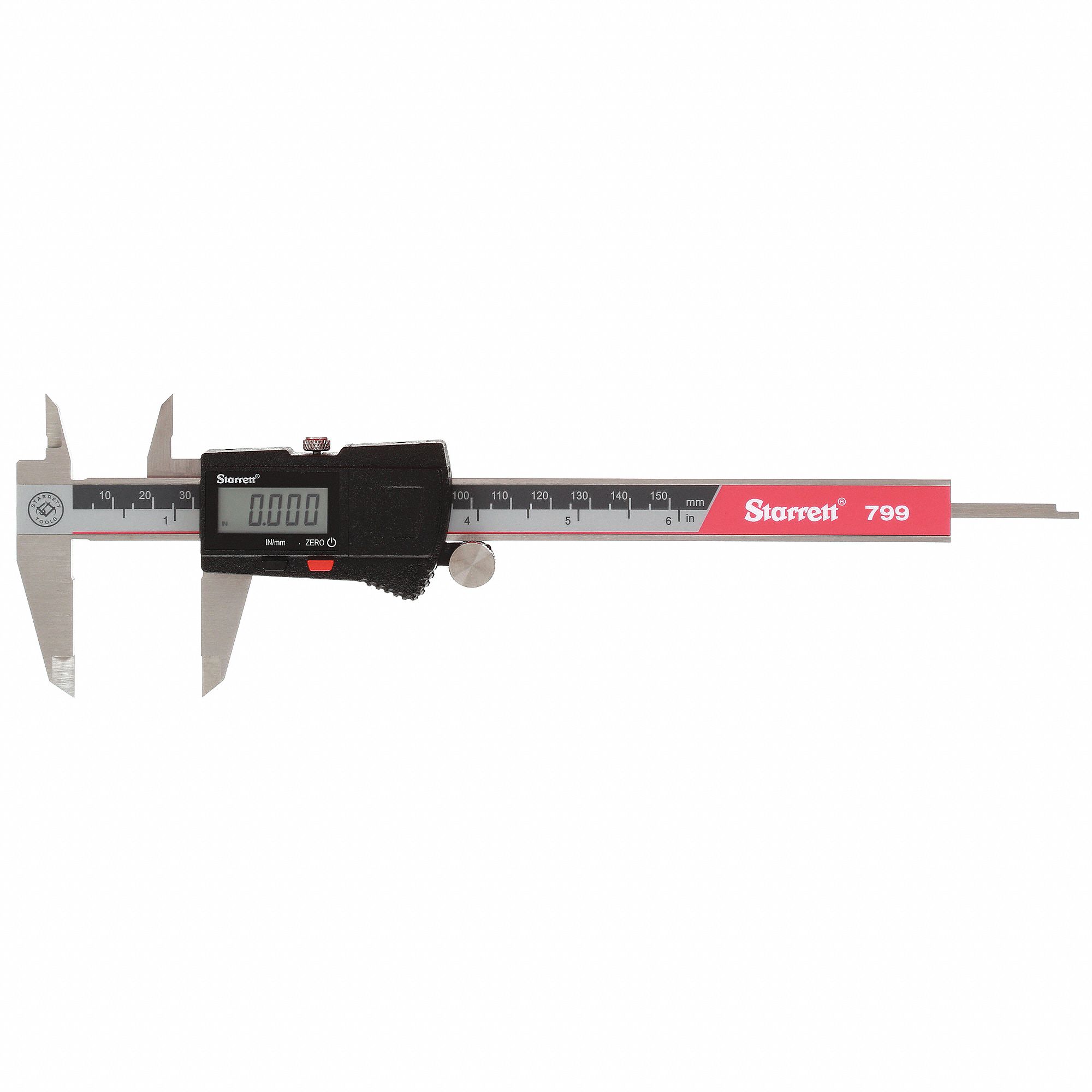
Measure OD and joint angle accurately, then grind or cut the cope — products from the TestTalkHQ affiliate catalog
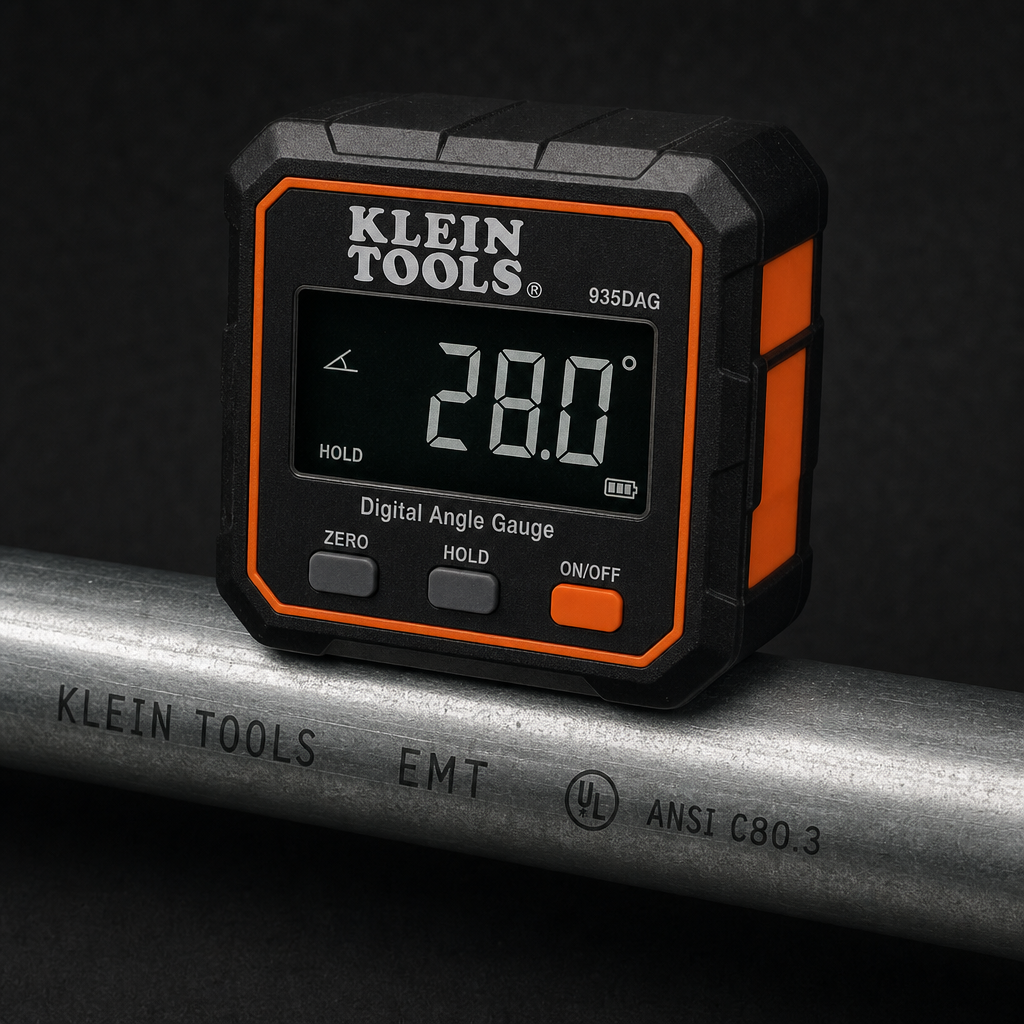
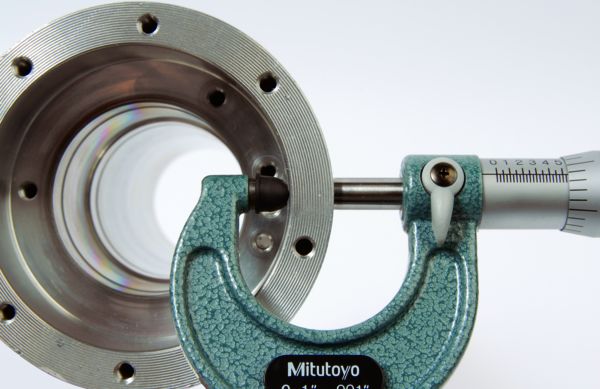
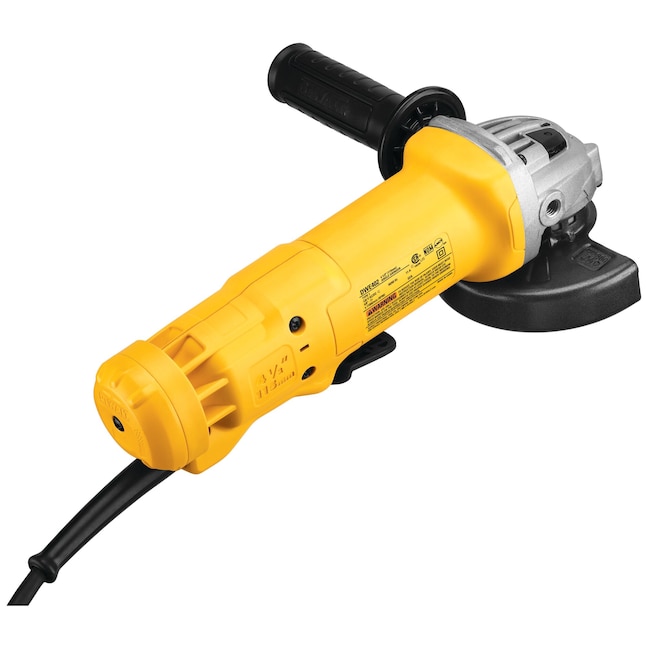

As an Amazon Associate, TestTalkHQ earns from qualifying purchases. Catalog gap: no dedicated tube notcher or tube fixturing/jig products in the affiliate CSV at publish time.