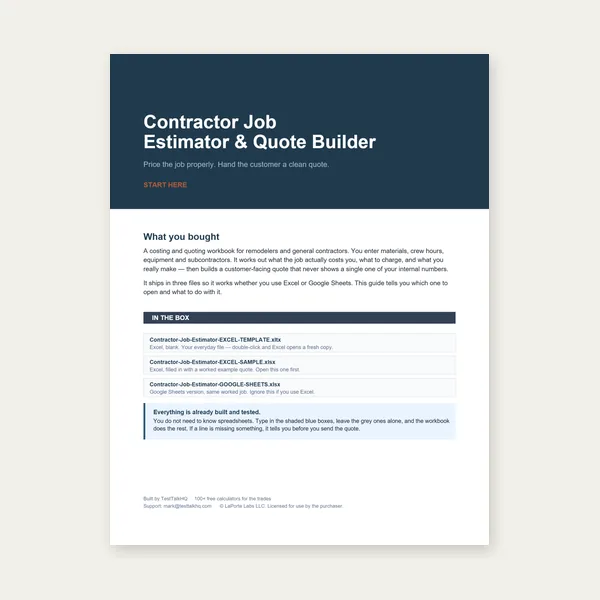
Contractor Job Estimator
Price remodels and GC work, then send a quote with no internal numbers.
Excel or Google Sheets. Best on a computer.
$29.00
BuyCutting discs vs grinding discs vs flap discs vs wire wheels — real use-case differentiation, wrong-disc risks, and concrete fab-shop examples
Speed charts tell you whether a disc is legal on your RPM. This page answers which disc to grab. Pair with the Disc Speed Calculator, Disc Speed Chart, and Angle Grinder Troubleshooting when the wheel is right but the cut still fails. Overspeed rules stay in the Safety Guide.
| Job | Reach for | Avoid | Why |
|---|---|---|---|
| Slice plate, cut bolt flush, open a kerf | Thin cutting disc (Type 1 / 41) | Thick grinding wheel | Grind wheels make wide hot cuts and invite kickback if forced as saws |
| Remove weld crown, bevel, heavy stock removal | Depressed-center grinding disc (Type 27) | Thin cutoff on its side | Side load snaps cutoffs; Type 27 is built for face pressure |
| Blend welds, feather paint edges, finish contours | Flap disc (matched grit) | Coarse Type 27 for final blend | Flaps leave a controllable finish; hard wheels dig trenches |
| Strip rust, mill scale, old paint | Wire wheel / cup brush | Grinding disc on thin sheet | Wires scrub coatings; grinding thins and warps sheet metal |
What they are: Thin Type 1 / Type 41 resinoid wheels meant to cut on the periphery. They excel at opening a narrow kerf with minimal heat when run at proper speed.
Use for: Cutting bar, angle, plate; trimming bolts; cutting out failed weld segments; notching tube.
Do not use for: Grinding on the face or side, cleaning rust, or levering the kerf open. Lateral load is how cutoffs shatter.
Shop example: Flush-cutting a seized grade-8 bolt — thin cutoff, guard on, workpiece clamped. Switch to a grinding disc only after the head is off and you need to dress the stub.
What they are: Depressed-center Type 27 (and similar) wheels built for face contact and aggressive stock removal.
Use for: Knocking down weld crowns, beveling plate edges, shaping fillets before welding, heavy mill-scale removal on thick stock.
Do not use for: Precision slicing — the kerf is wide, hot, and slow. Forcing a grind wheel as a saw bogs the motor and invites kickback.
Shop example: Removing a fat MIG cap on a trailer hitch — Type 27 at a shallow angle, moving passes, then step to a flap disc for blend.
What they are: Overlapping abrasive cloth flaps on a backing pad. They remove metal more gently than hard wheels and leave a controllable scratch pattern.
Use for: Blending welds into plate, removing light mill scale, prep before paint, finishing after a Type 27 rough pass.
Tradeoffs: Cost more per cubic inch removed than hard grinding discs. Soft metals can load flaps — clean or change grit. Overspeed separates flaps violently — still respect label RPM.
Shop example: After structural MIG on a frame rail, use 40–60 grit flap to blend, then finer grit if paint-ready finish matters.
What they are: Knotted or crimped wire cup/brushes that scrub coatings and scale mechanically.
Use for: Rust, paint, slag crust, and cleaning before welding when you do not want to remove base metal thickness.
Tradeoffs: Wires throw — face shield required. Wrong RPM sheds wires. They do not replace grinding for weld removal. Thin sheet can still warp from heat if you dwell.
Shop example: Cleaning scale off a trailer frame before weld repair — wire cup first, then grind only where metal must be removed.
Price remodels and GC work, then send a quote with no internal numbers.
Excel or Google Sheets. Best on a computer.
$29.00
BuyCheckout opens in a new tab.
Five Welding / Fab picks from the TestTalkHQ affiliate CSV — grinder, wire brush, chipping hammer, gloves, and face protection
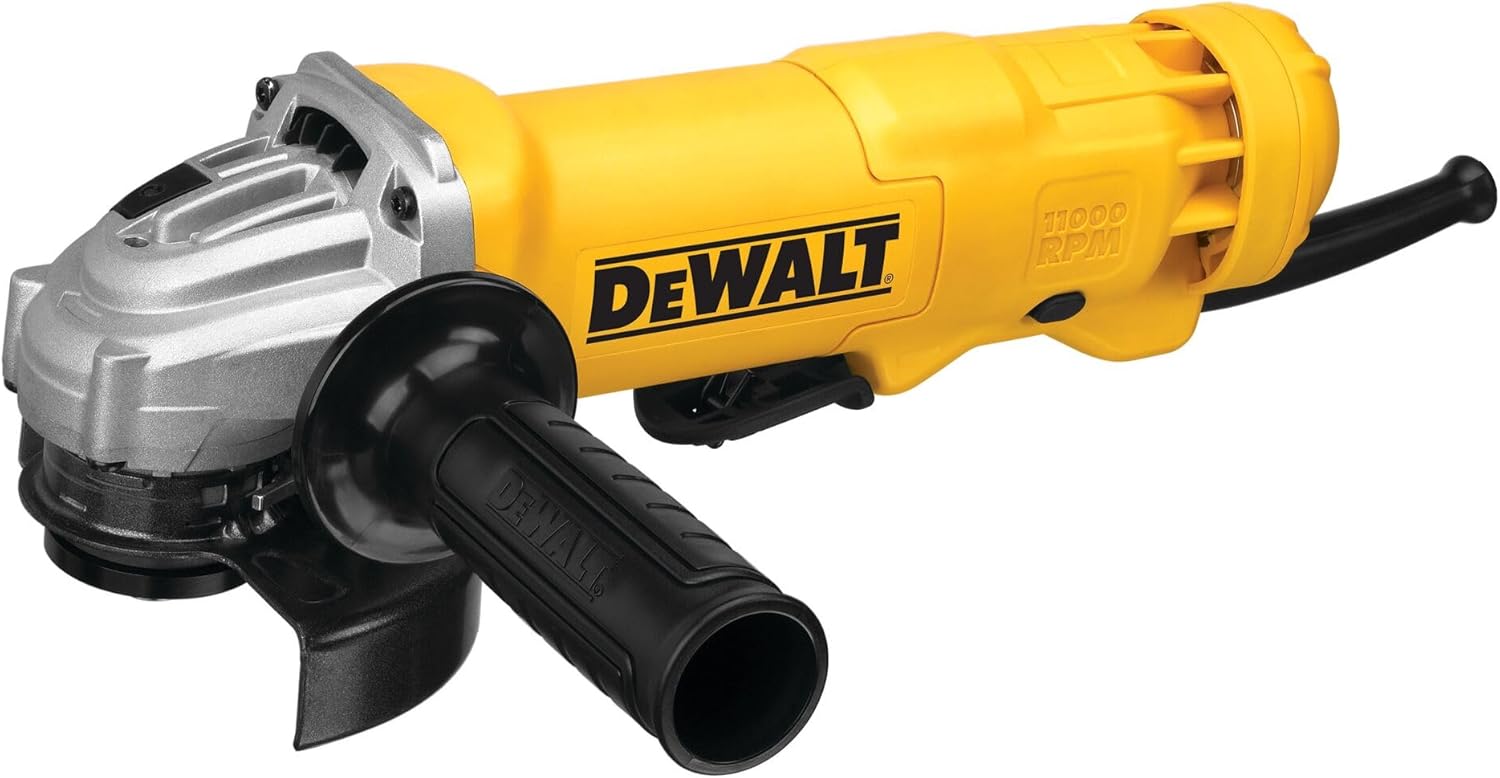
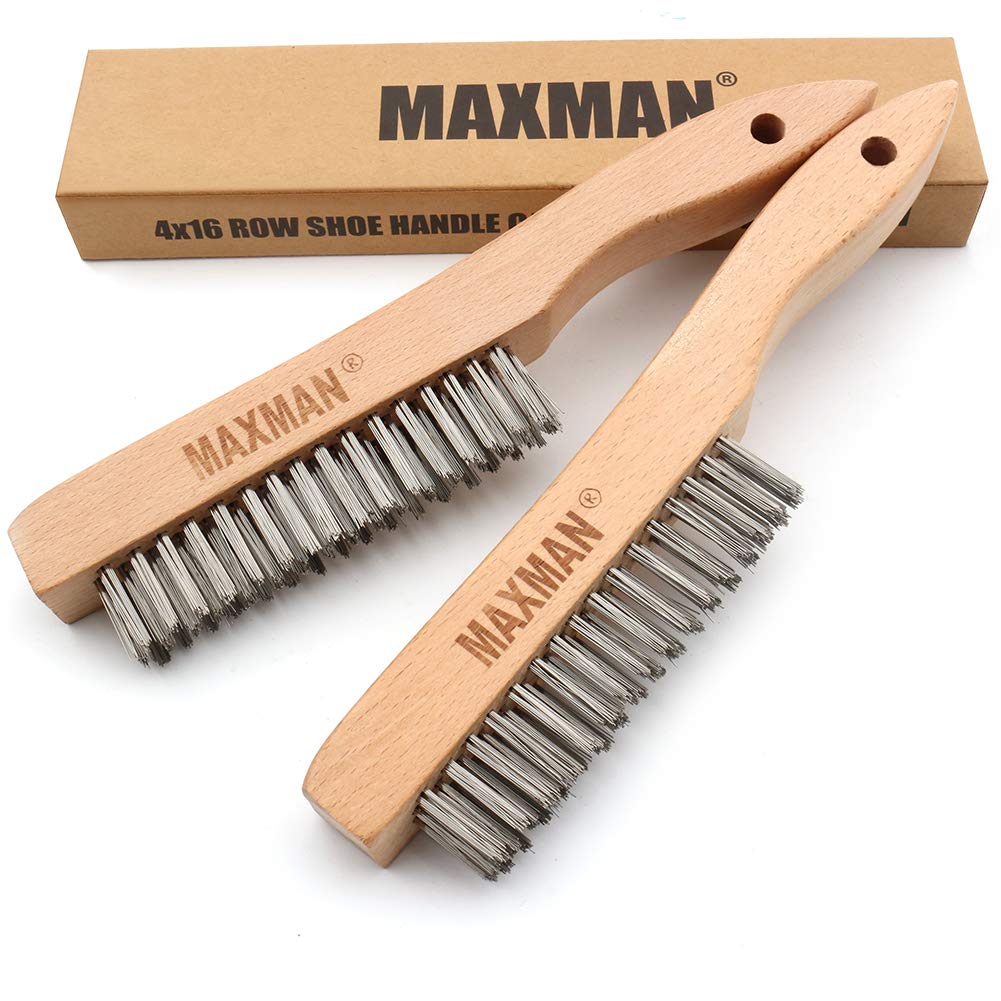
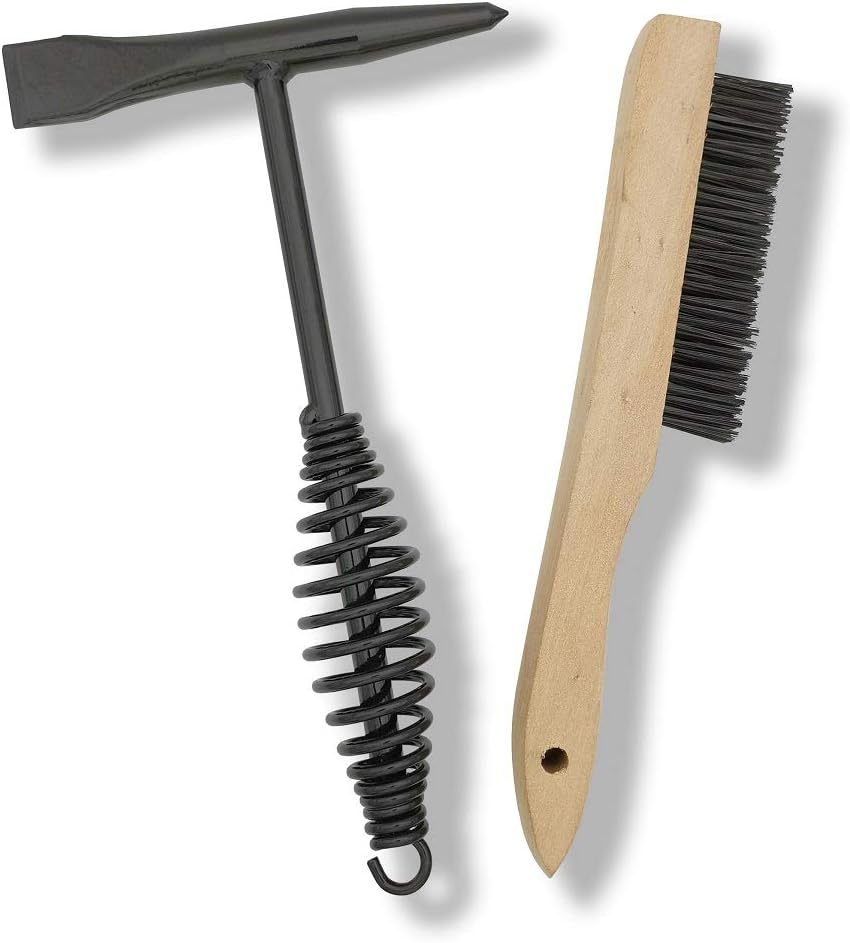
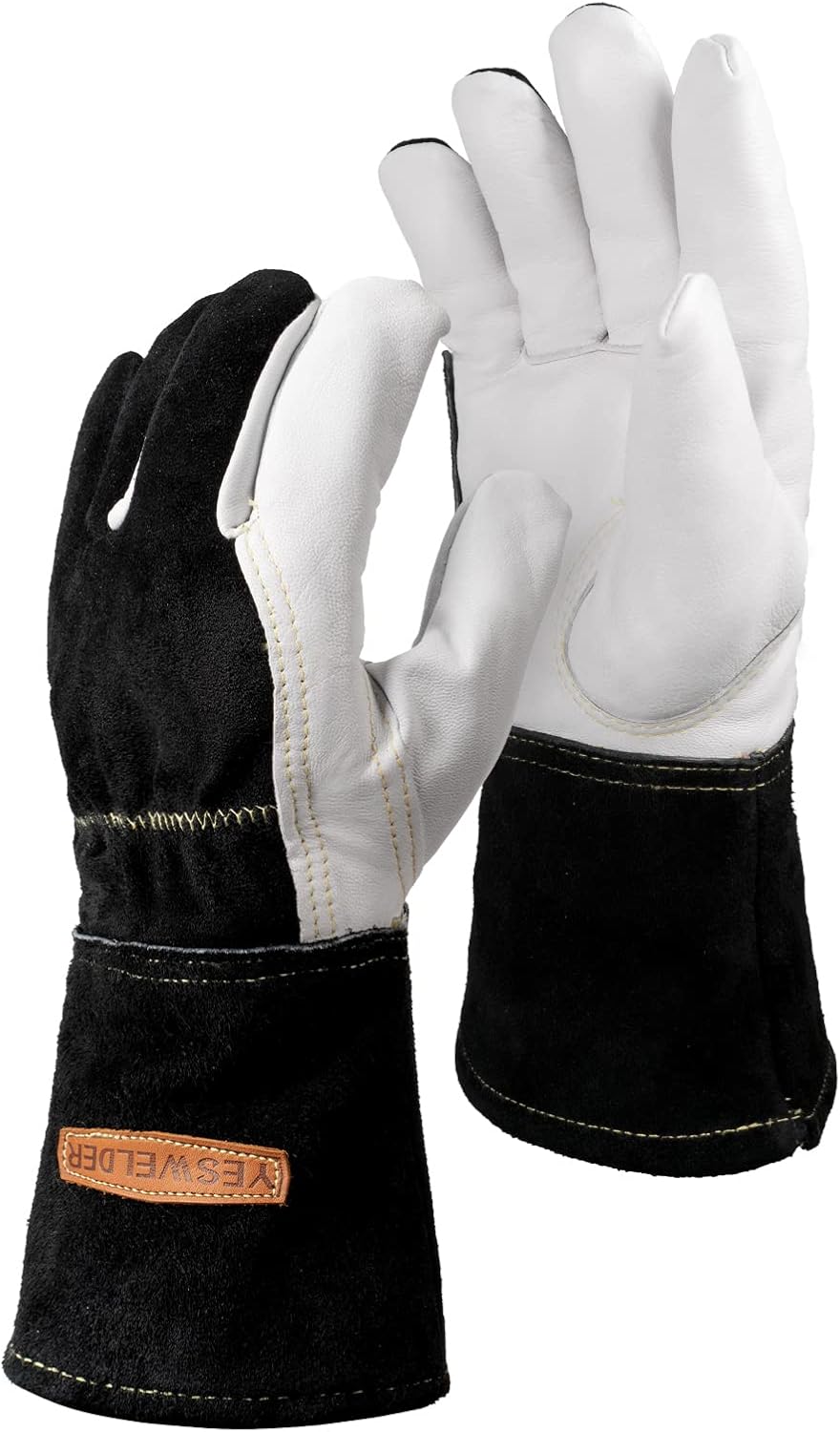
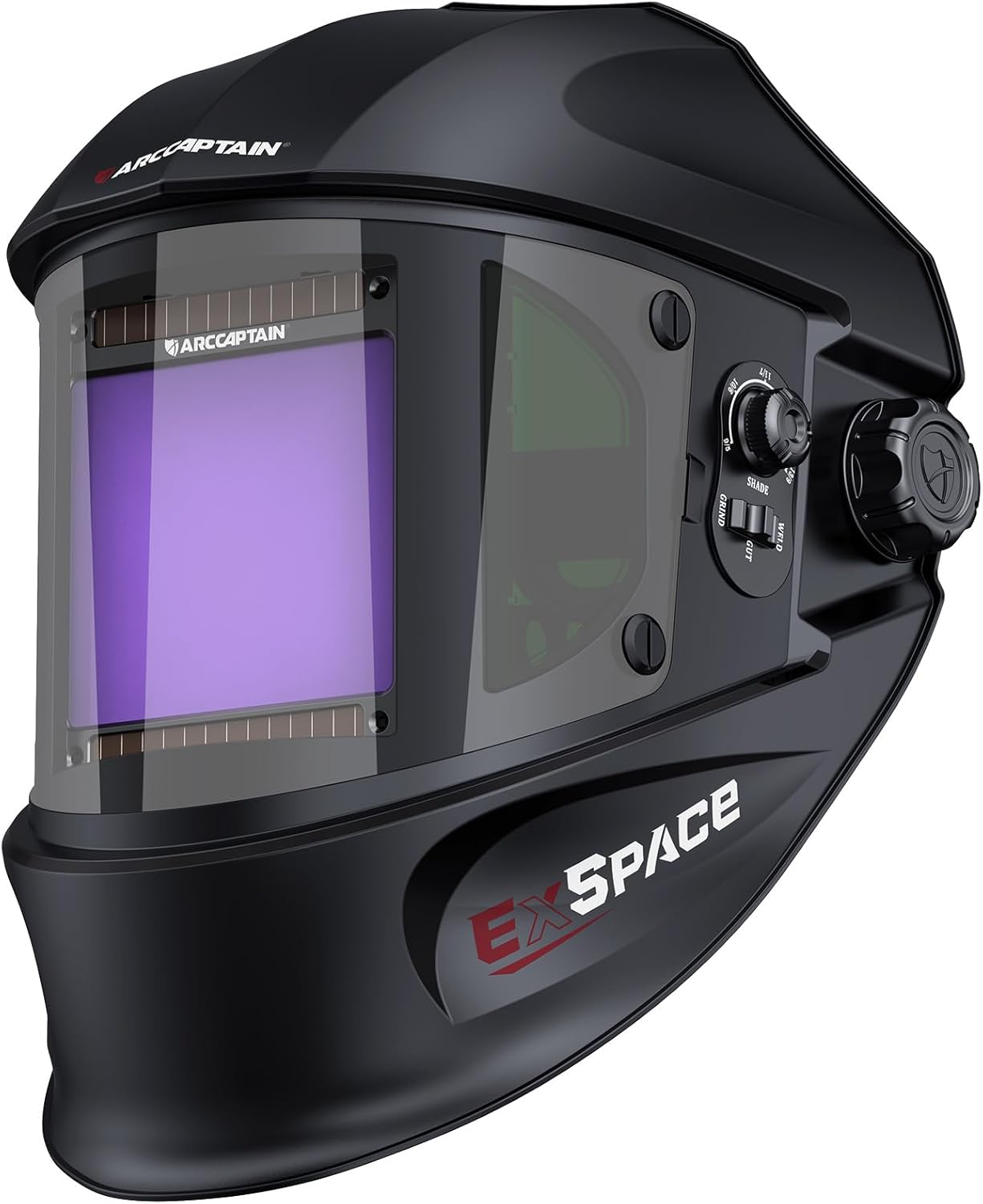
As an Amazon Associate, TestTalkHQ earns from qualifying purchases. Products sourced from the TestTalkHQ affiliate catalog.
Some dual-purpose wheels are rated for both — only if the label says so. Treat unlabeled “I’ll just tip it” cutoffs as cutoff-only.
Start coarse (36–60) for crown, step finer for finish. Match pressure — flaps cut best with light-to-moderate load.
Often the same 4.5" class shares ~13,300 max labels, but wire and non-woven products can be lower. Always read the disc — use the calculator.
Charts answer “is this diameter/RPM pair legal?” This page answers “which abrasive geometry?” Use both.