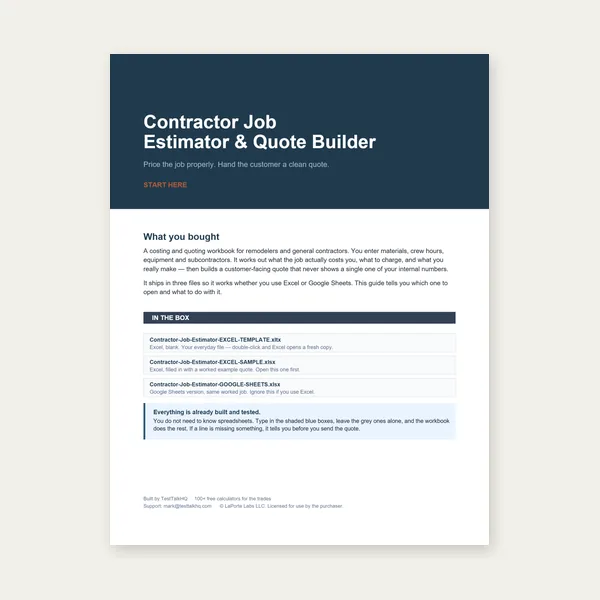
Contractor Job Estimator
Price remodels and GC work, then send a quote with no internal numbers.
Excel or Google Sheets. Best on a computer.
$29.00
BuyDiagnose uneven disc wear, excessive vibration, burning or glazing on the cut, and bogging under load — field problems the explosion-safety guide does not cover
This page stays on performance diagnosis. For RPM vs disc-label explosions use the Disc Speed Safety Guide and the Disc Speed Calculator. For which wheel to mount, see Disc Types — Which One for the Job. RPM tables live on the Disc Speed Chart.

| Problem | What it usually means | First fix | Next tool |
|---|---|---|---|
| Disc wears uneven / tapered | Side pressure, wrong attack angle, or warped flange | Grind with face (Type 27) not edge; check flanges flat | Disc Types |
| Excessive vibration / chatter | Bent disc, missing blotter, loose nut, worn bearings | Stop; ring-test disc; remount with blotters; try known-good disc | Safety Guide |
| Burning / blue steel / glazed disc | Too slow, too much dwell, or wrong grit/bond for the job | Raise speed within label; lighter passes; fresh aggressive disc | Speed Calculator |
| Grinder bogs / RPM collapses | Overloaded amp draw, soft circuit, or forcing the cut | Lighter pressure; sharper disc; check extension cord gauge | Speed Chart |
| Disc chips / sheds grit early | Side-loading a cutoff, impact on edges, expired/damaged disc | Stop side-grind on thin cutoff; inspect for cracks | Disc Types |
What it looks like: One side of a grinding or flap disc loads up or dishes. Cutoff wheels get a crowned edge. The tool pulls to one side and finish quality jumps around the weld.
Why it happens: Abrasive wears where pressure and angle concentrate. Side-loading a thin cutoff, grinding with the edge of a Type 27 when you should use the face, or a cocked flange that makes the disc run out of true all create tapered wear.
Likely causes:
How to fix it: Mount the correct disc type for the job. Keep Type 27 contact on the face at a shallow angle. Replace flanges that are not flat. Rotate work so you are not always loading one sector of the wheel.
What it looks like: Hands go numb fast. Guard buzzes. Sparks pulse. The disc may look like it has a hop even when the motor sounds smooth.
Why it happens: Imbalance or runout. Cracked discs, bent hubs, missing blotters, under-tight or over-tight arbor nuts, and worn spindle bearings all throw the rotating mass off-center. Overspeed vibration is a different failure mode — handle that with the safety guide before you chase bearings.
Likely causes:
How to fix it: Stop immediately. Ring-test and discard questionable discs. Clean flanges, remount correctly, verify RPM pairing in the calculator. If vibration survives disc swaps, retire the tool for bearing service — do not keep grinding.
What it looks like: Blue temper colors on the cut edge, gummy sparks, disc face shiny and slick, cut rate collapses even though you push harder.
Why it happens: Heat builds when abrasive grains stop fracturing and start rubbing. Too-slow RPM (especially on variable-speed tools), excessive dwell, dull grit, or the wrong bond for stainless/aluminum all glaze the face. Pushing harder then makes it worse.
Likely causes:
How to fix it: Confirm speed is high enough but still under disc max via the calculator. Take lighter, moving passes. Dress or replace glazed wheels. For aluminum, use discs rated for non-ferrous or clear the load frequently. See disc selection in Disc Types.
What it looks like: Free-spin sounds healthy; the instant you lean in, RPM falls, amp smell rises, breaker trips, or cordless tools brown out.
Why it happens: The motor cannot deliver torque against the cut. Common causes are forcing a dull disc, using a thick grinding wheel to cut, long skinny extension cords, or an undersized cordless pack for continuous grind.
Likely causes:
How to fix it: Ease pressure; let the abrasive cut. Switch to a thin cutoff for slicing. Use a short heavy-gauge cord. For continuous heavy grind, prefer a corded 4.5–5" tool class matched to disc diameter on the chart.
What it looks like: Pieces of abrasive leave the rim. Flap cloth tears in strips. Wire wheels throw wires. The disc diameter shrinks oddly fast.
Why it happens: Mechanical abuse and wrong orientation beat chemical “wear.” Side-loading cutoff wheels, prying in the kerf, impacting edges on sharp plate corners, and using expired/damp-stored resin discs all shed material early — and raise rupture risk.
How to fix it: Never grind on the side of a Type 1/41 cutoff. Do not lever the kerf open with the wheel. Store discs dry and flat. Replace at first crack or failed ring test. Pair job to disc type before you blame “cheap abrasives.”
Price remodels and GC work, then send a quote with no internal numbers.
Excel or Google Sheets. Best on a computer.
$29.00
BuyCheckout opens in a new tab.
Five Welding / Fab picks from the TestTalkHQ affiliate CSV — grinder, wire brush, chipping hammer, gloves, and face protection
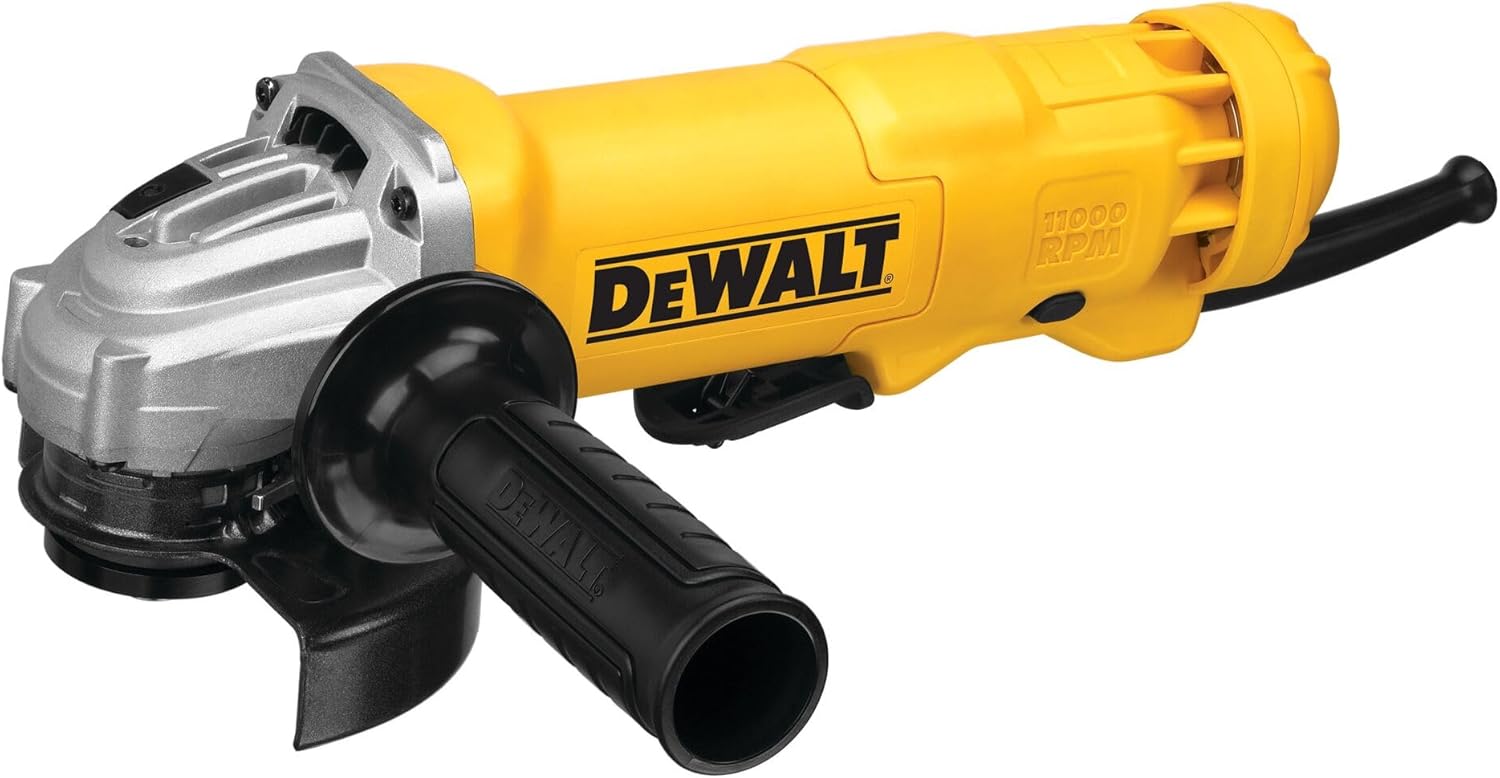
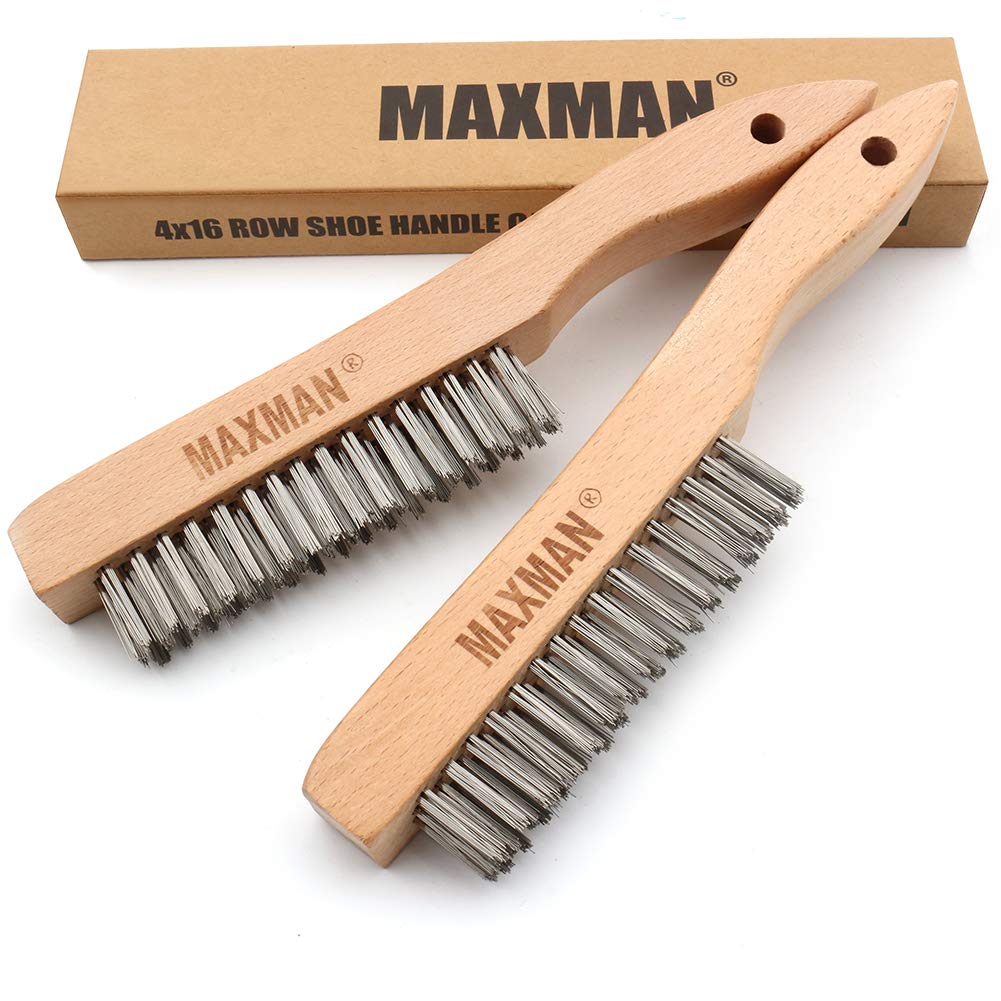
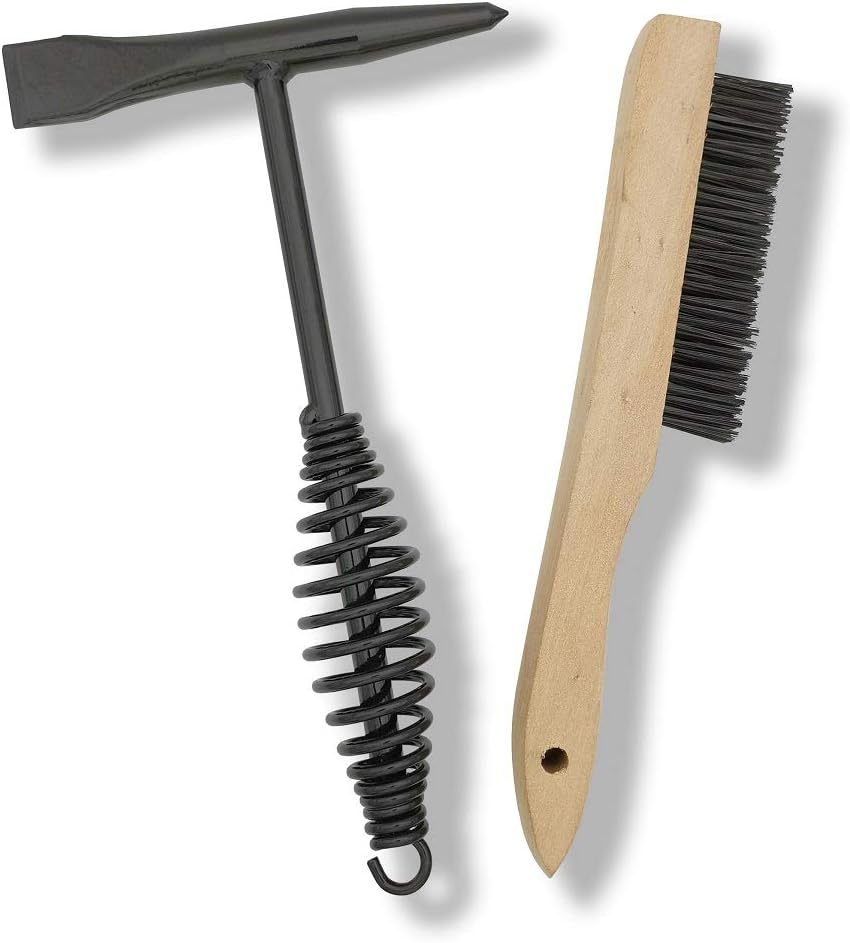
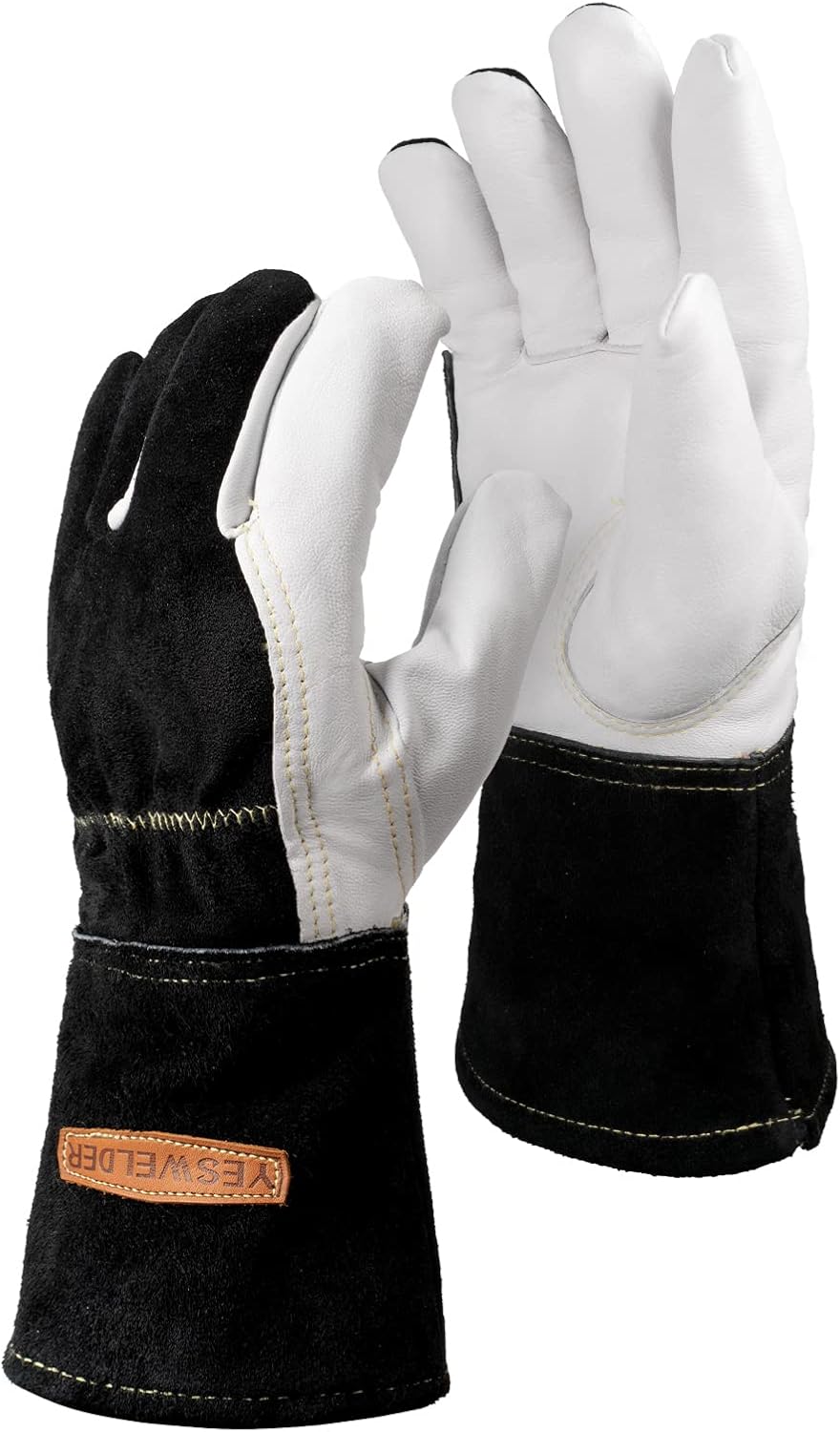
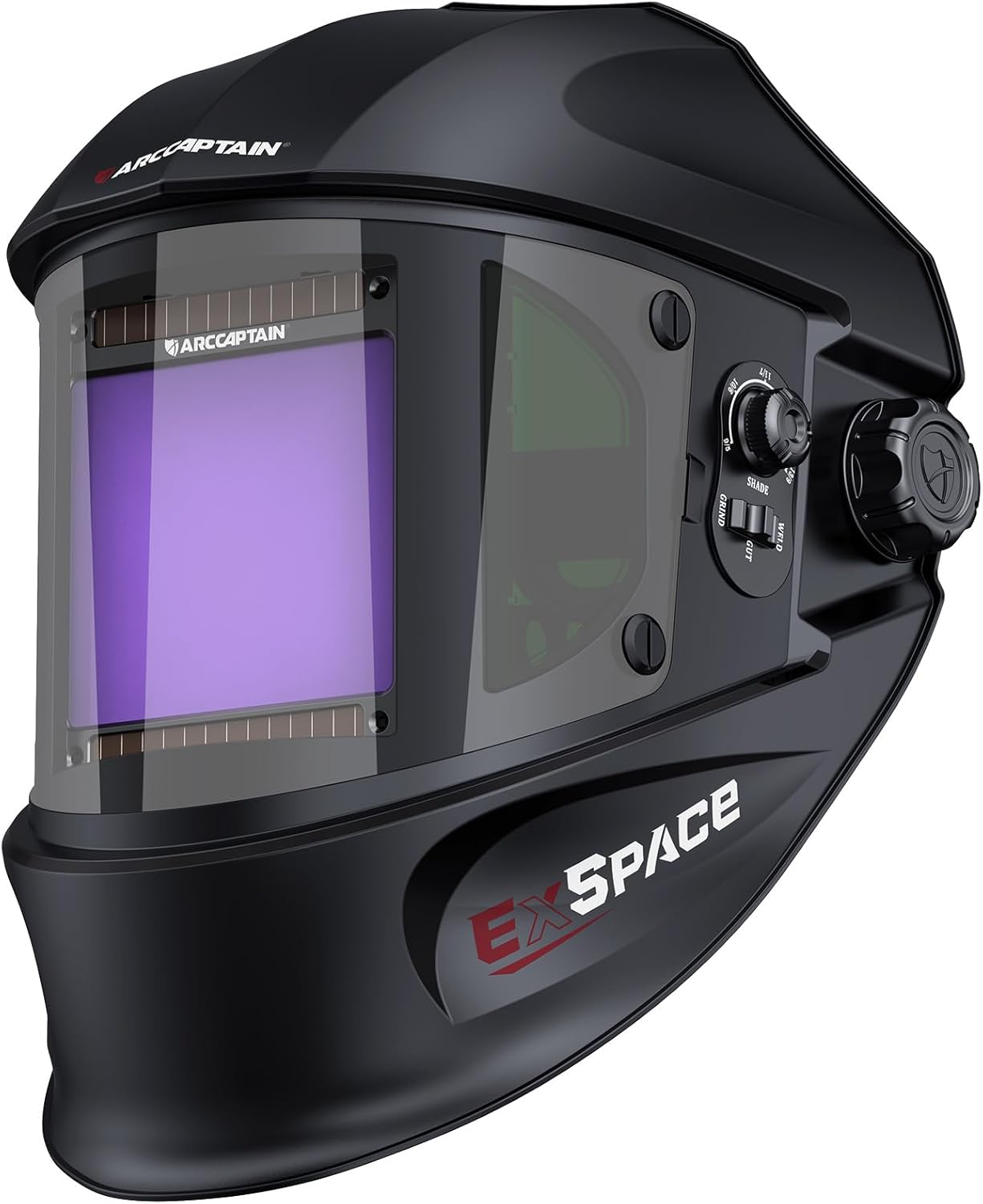
As an Amazon Associate, TestTalkHQ earns from qualifying purchases. Products sourced from the TestTalkHQ affiliate catalog.
No — flanges, blotters, and bearings can vibrate a good disc. Swap to a known-good wheel first. Persistent vibration after that is a tool problem.
Heat input. Lighter passes, sharper disc, and correct speed reduce temper colors. Glazed discs rub instead of cut.
No. The safety guide is about overspeed explosions. This page covers wear, vibration, glazing, and bogging after the RPM pairing is already legal.
If you are side-grinding with a cutoff, blending with a coarse Type 27 when you need a flap, or rust-busting with a grinding wheel — change the disc. See Disc Types.